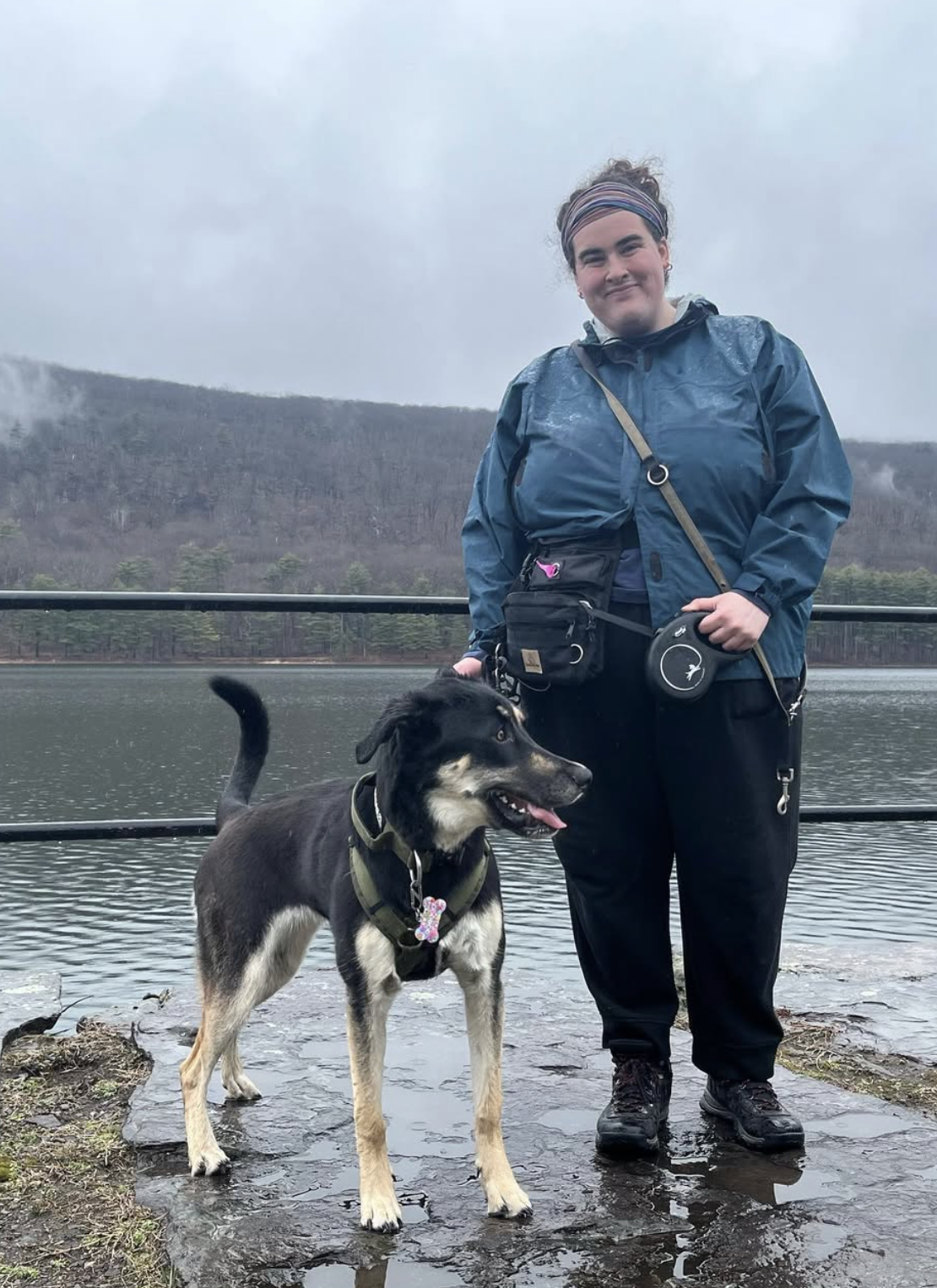
Artist, Biologist, Dog Mom
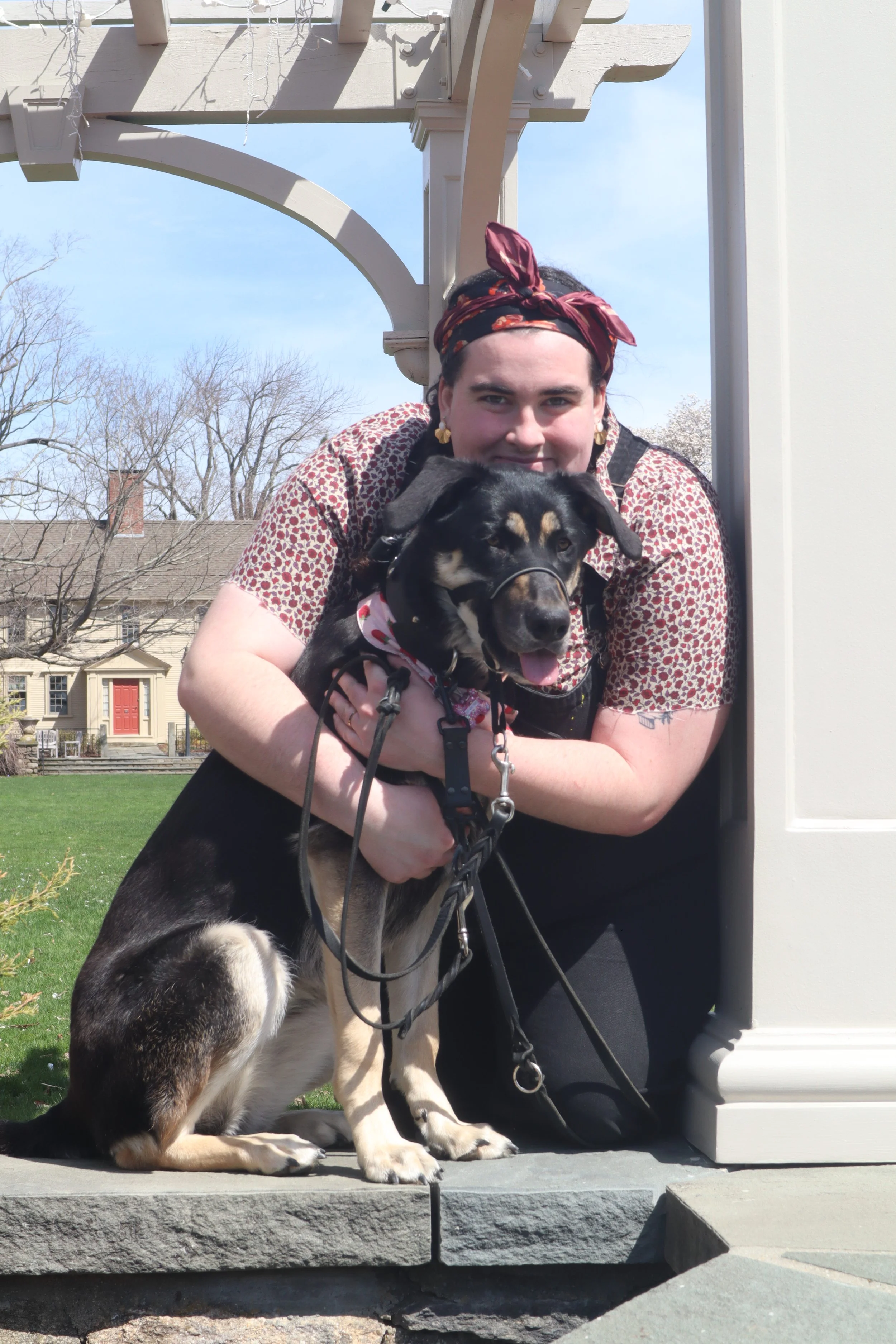
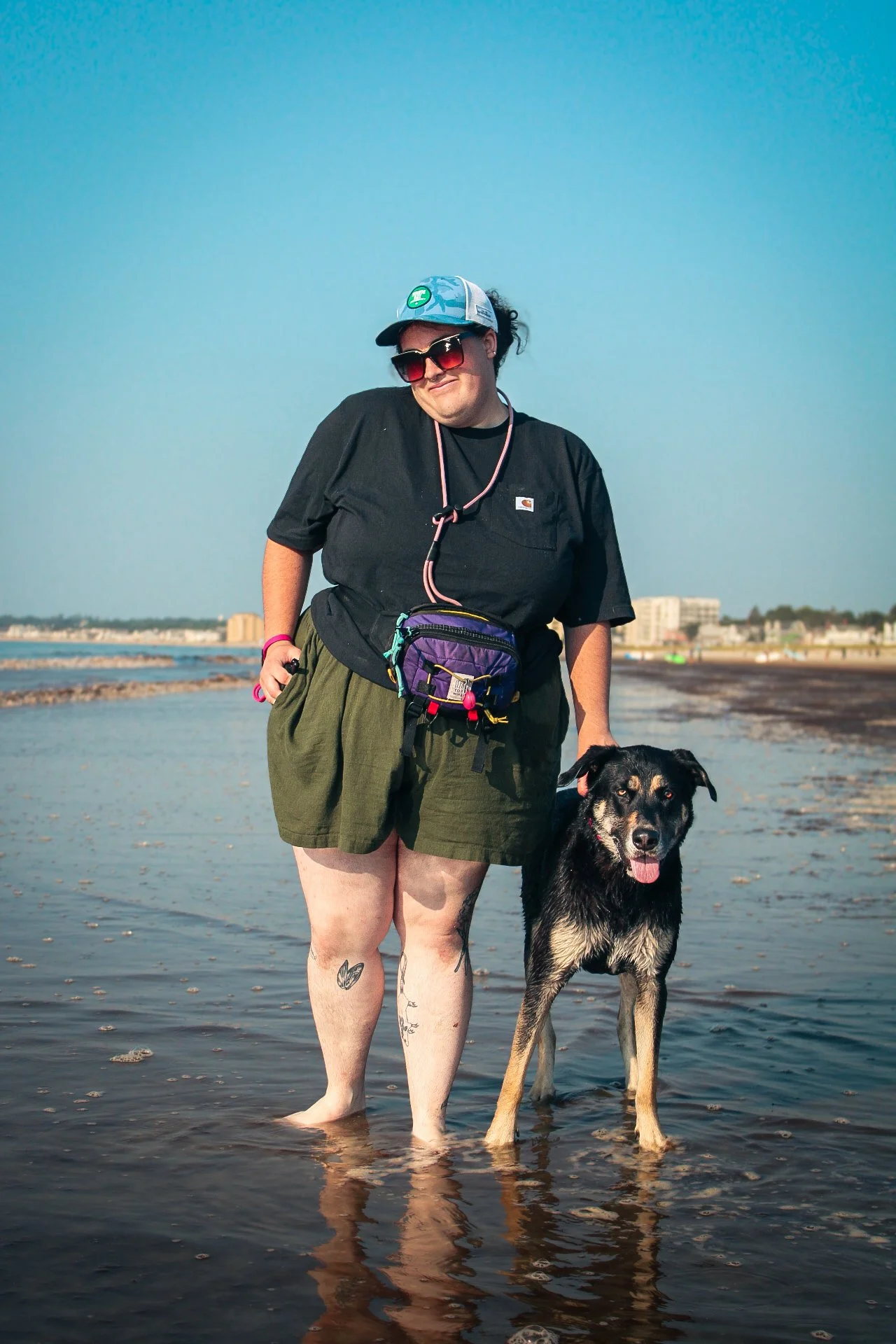
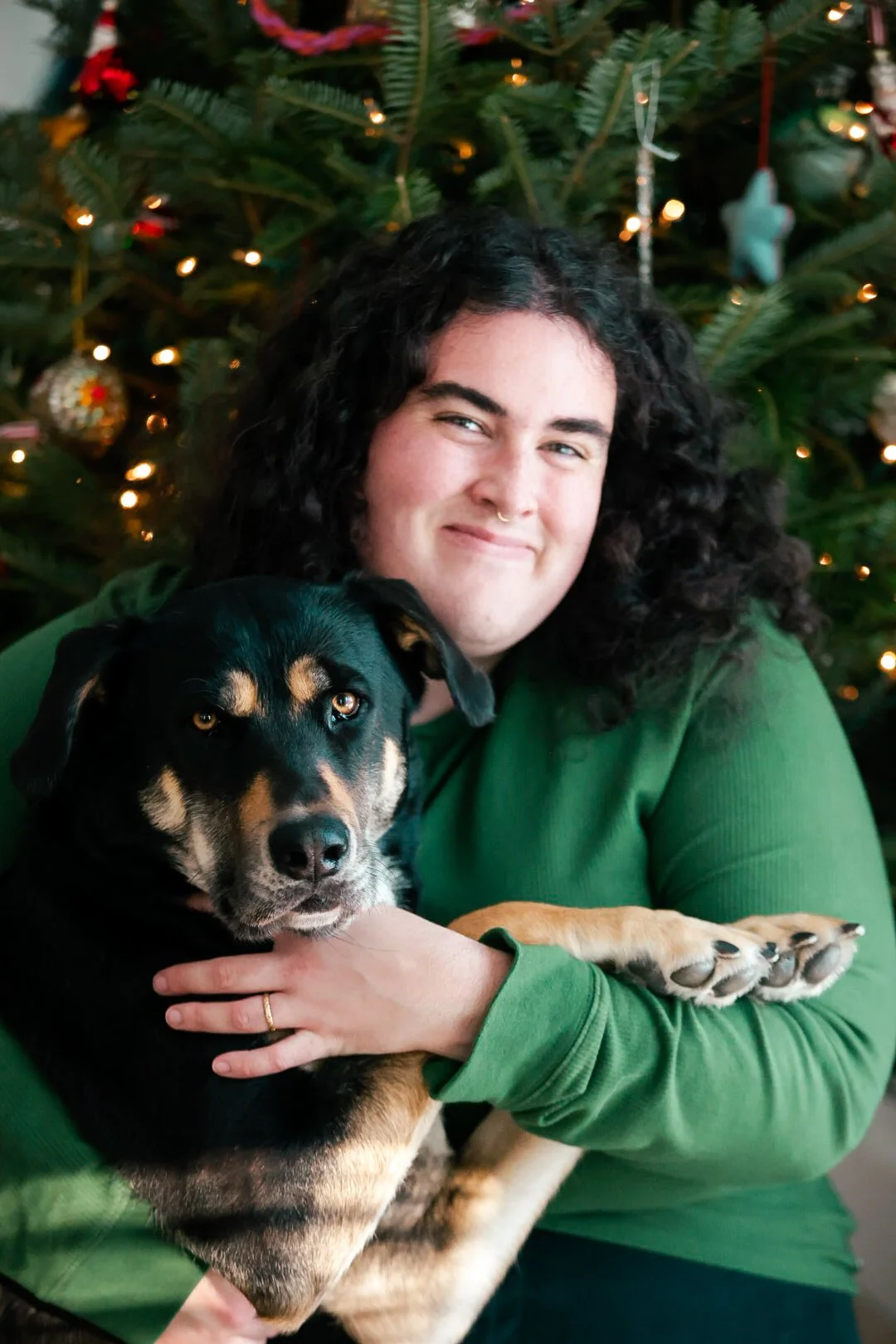
Grace Sanford is an artist and biologist based in Freeport, Maine. They are a lifelong Mainer, and studied Studio Art and Biology at Mount Holyoke College. They currently work as a Fisheries Biologist in a lab studying pelagic fish such as sharks, billfish, and tuna. Their work as a biologist informs every aspect of their creative work, and is shaped by their reverence for the life they encounter on a daily basis. Grace’s artistic practice is strongly tied to the Gulf of Maine, and centers love and care for the surrounding world as central themes. Their work is also impacted by their experience living in a queer and disabled body, and considers the interactions between this body and the surrounding world.
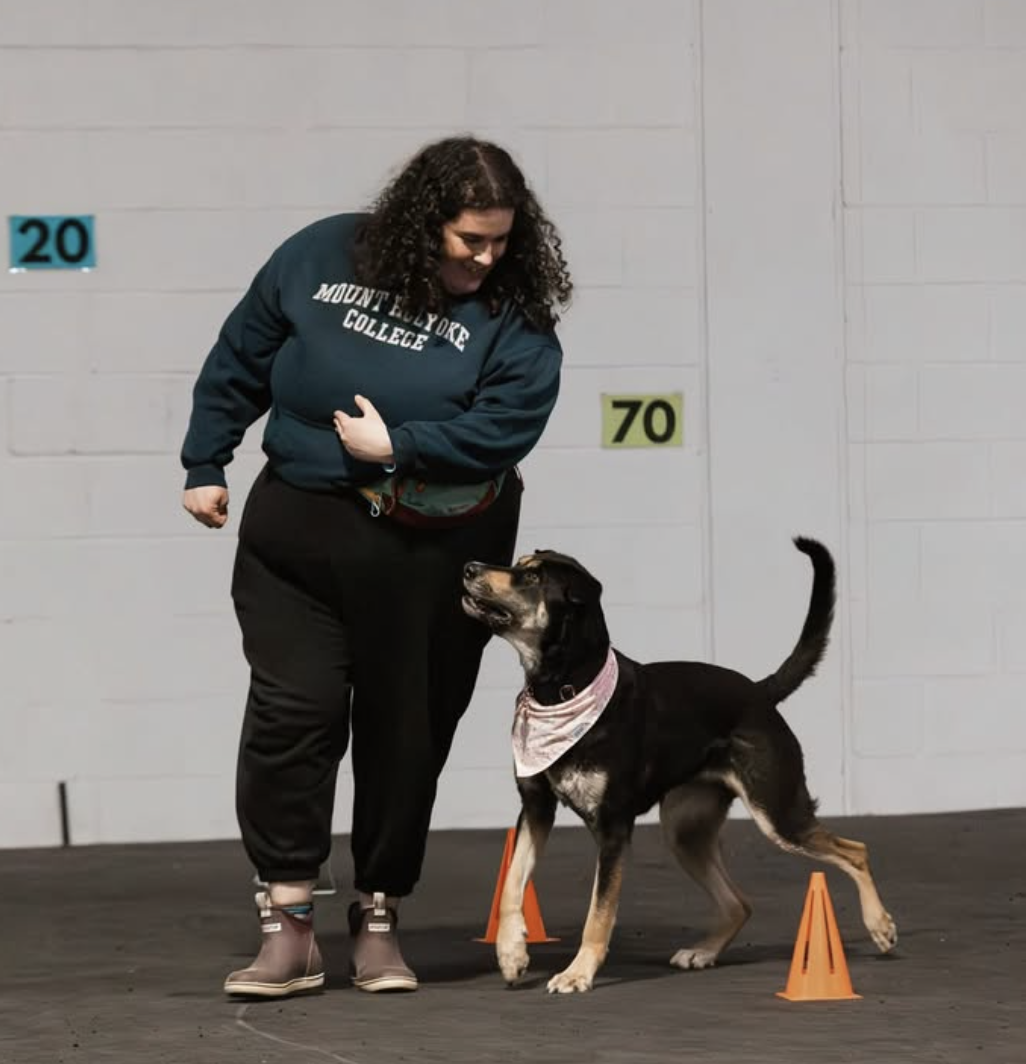
Grace is a painter who works primarily in gouache on panel but incorporates other mediums such as watercolor paint, pencil, textiles, woodworking, and relief printmaking. When they are not painting, they can be found hiking, knitting, bird watching, training their dog Frieda, swimming in the ocean, getting really good at identifying trees, napping, trying new dog sports, tidepooling, and trying new coffee shops.
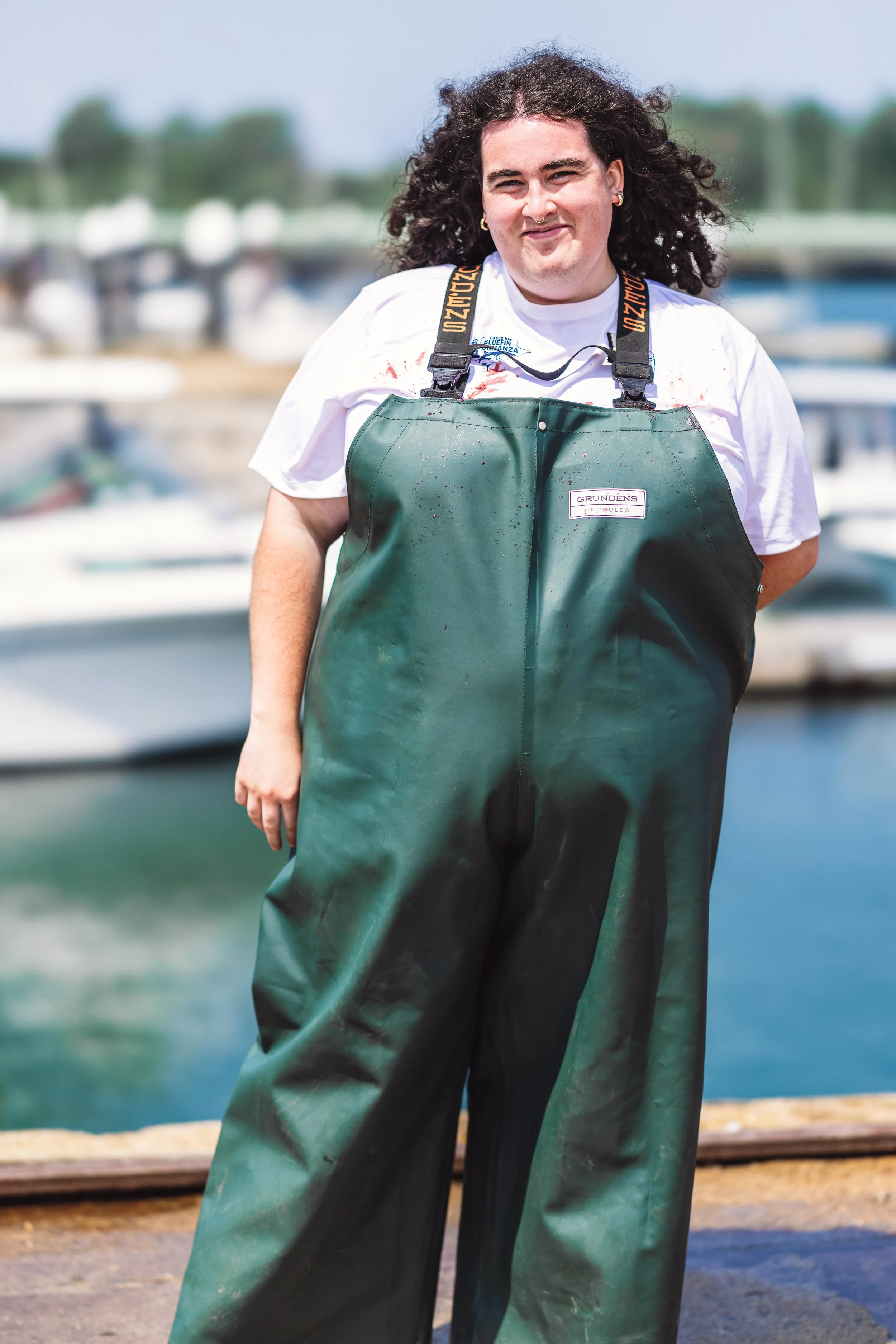
My Work in a nutshell
My work considers human relationships with our ecosystem. I am driven by a deep sense of love for the world around me, and by fascination with how it works. In my body of work I focus on themes of love and care to discuss anthropogenic climate change and avoid focusing on the shame of climate destruction. I emphasize the point that we can lead with love and intentional caring for our ecosystems. In this practice, I focus on themes of self-protection, community care, and the idea of person and landscape.
I work primarily with gouache paints on panel, incorporating a variety of paper types and cut shapes. I supplement this with work in other mediums and types of paint such as watercolor paint, acrylic paint, pencil, woodworking, relief printmaking, etching, and screenprinting. I make art which invites interaction with the viewer. One way this is accomplished is through my work at a miniature scale. This intentionality of scale offers the intimacy of individual viewing and personal interaction. I work with the physicality of my materials, and consider the way in which they occupy space within and without the physical space of the gallery. An important consideration for me is that of how the audience can physically interact with my work, and I have enjoyed the addition of take-home elements to my exhibitions. Take-home aspects use the audience as a vessel for my work to inhabit the world and to depart the gallery.
A recurring theme in my work is the idea of botanical and environmental use of the human body. I use the motif of human body parts being used in nature as a representation of giving an environment the power to tangibly protect itself. Another symbolic meaning for the use of the human body in the environment is that of circular use of resources. We build our human body using resources taken from the ecosystem we inhabit. In the process of building our body we give and take from our world, which permanently imprints the form of our bodies on our world. All bodies grow and die, and in that process, take from and give to the environment. In my art I emphasize a circular nature of care. It is important for me to consider the resources used to build the body which I inhabit, and the resource that my used body will become.
It has been important for me to consider the public health concept of OneHealth, in that no one part of the world can be sick without harming anyone else. I understand that health is an interconnected state of being, and that human health is intrinsically intertwined with environmental health. The concept of isolated individual health is a fallacy which ignores the essential nature of external influence. In this situation, I consider the possibility of the self, and whether “self” is a real or fictional possibility. In observation of the natural world, I see the lines of “self” and “other” become blurred, and I understand this reflection in my own form. In the process of our human lifetimes our health waxes and wanes in flux with our ecosystem. In the inevitability of our demise we will die and return what we have taken. Taking is never in a state of permanence. I keep in consideration contemporary funerary practices such as embalming and cremation, which prevent the physical resource of our human bodies from returning to the land which made us. I consider the beautiful eternal privilege of my body being eaten and decomposed, and my taking becoming nullified.
An important part of my process is working with local land and the ecosystem I am a part of. My process includes spending time in nature and painting from the life forms that I interact with. My work includes a deep research process, and I am inspired by careful first-person observation and extensive reading of scientific and creative sources. My paintings show landscapes which I have an intimate relationship with at my own local level. In this space I have a profound ability to effect a positive change, and I hope to share how this positive change can have dramatic effects far downstream from myself. I hope that my art can inspire people to experience radical love for the land which supports their body.